A few boxes of memories
Back in the mid 1980’s when my photographic passion was really taking off, my Gran gave me an old biscuit tin and two small boxes when she came to stay. She knew I was interested in photography and she wanted me to be the custodian of her late husband’s photographic legacy. Yep, this legacy might have just been a biscuit tin and two small boxes, but inside each was a glimpse of what had gone before along with a little bit of magic.
What I had inherited was all Arthur Phillip Jacobs, ‘Phils’ negatives from the 1930’s to 1960’s along with a box of lantern slides that he had made from these, a couple of sun printing frames, an annotated book on photography (with a stained cover from photographic chemicals) and his notebook that catalogued the images he had made. The cameras he had owned were long gone, but this box of memories was far more important than any of that. This box of memories was his life story.
What I quickly learnt, was that Grandad was incredibly methodical. The negatives had all been cut into single images and carefully saved in little bank envelopes with locations and dates recorded, alongside his photographic notebook that listed everything from locations to printing details. In terms of a photographic legacy I guess you could say that it was relatively small at just over 800 negatives in total. But each of these images had been taken with care and love so it was easy to see that he wanted those images and memories to outlive him.
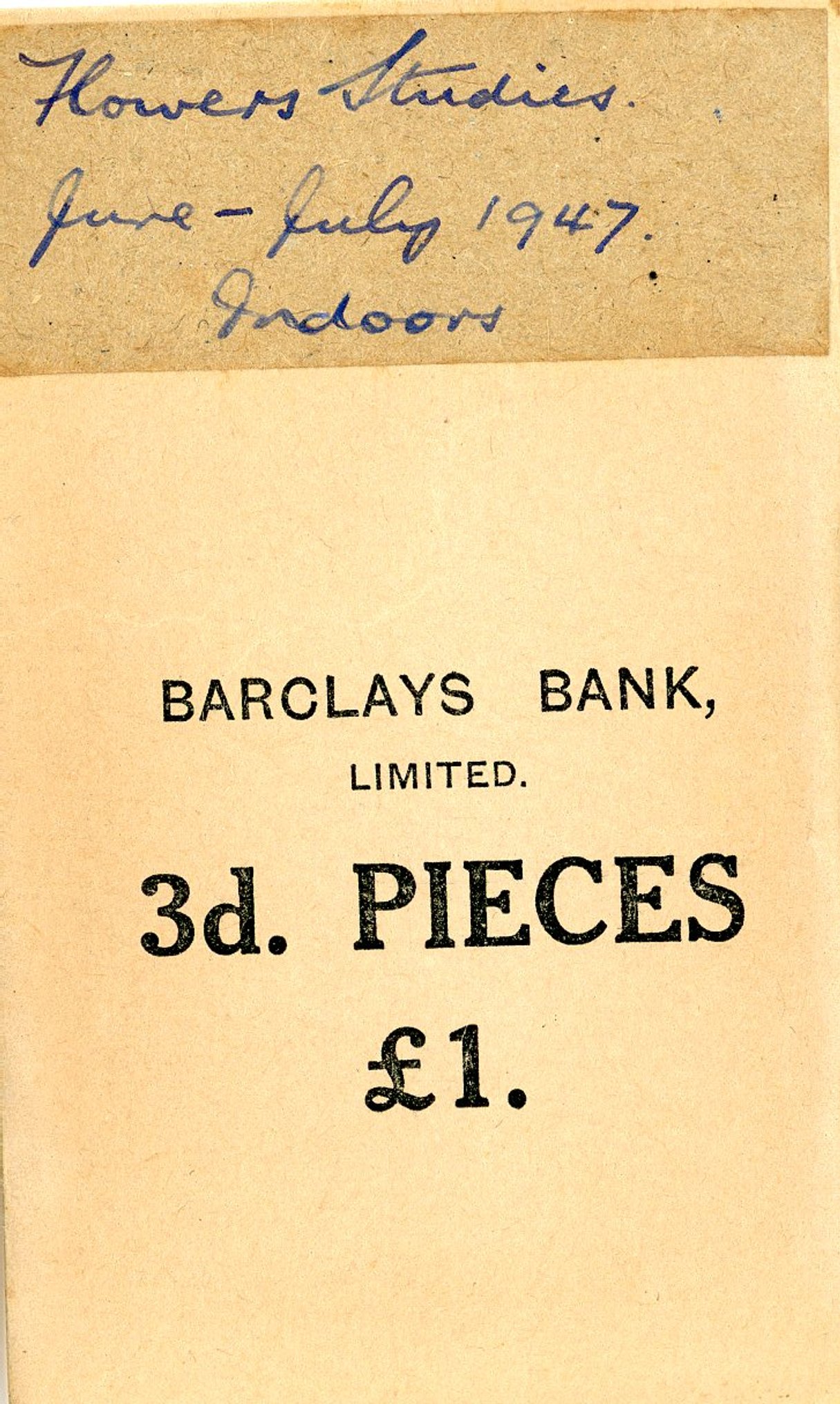
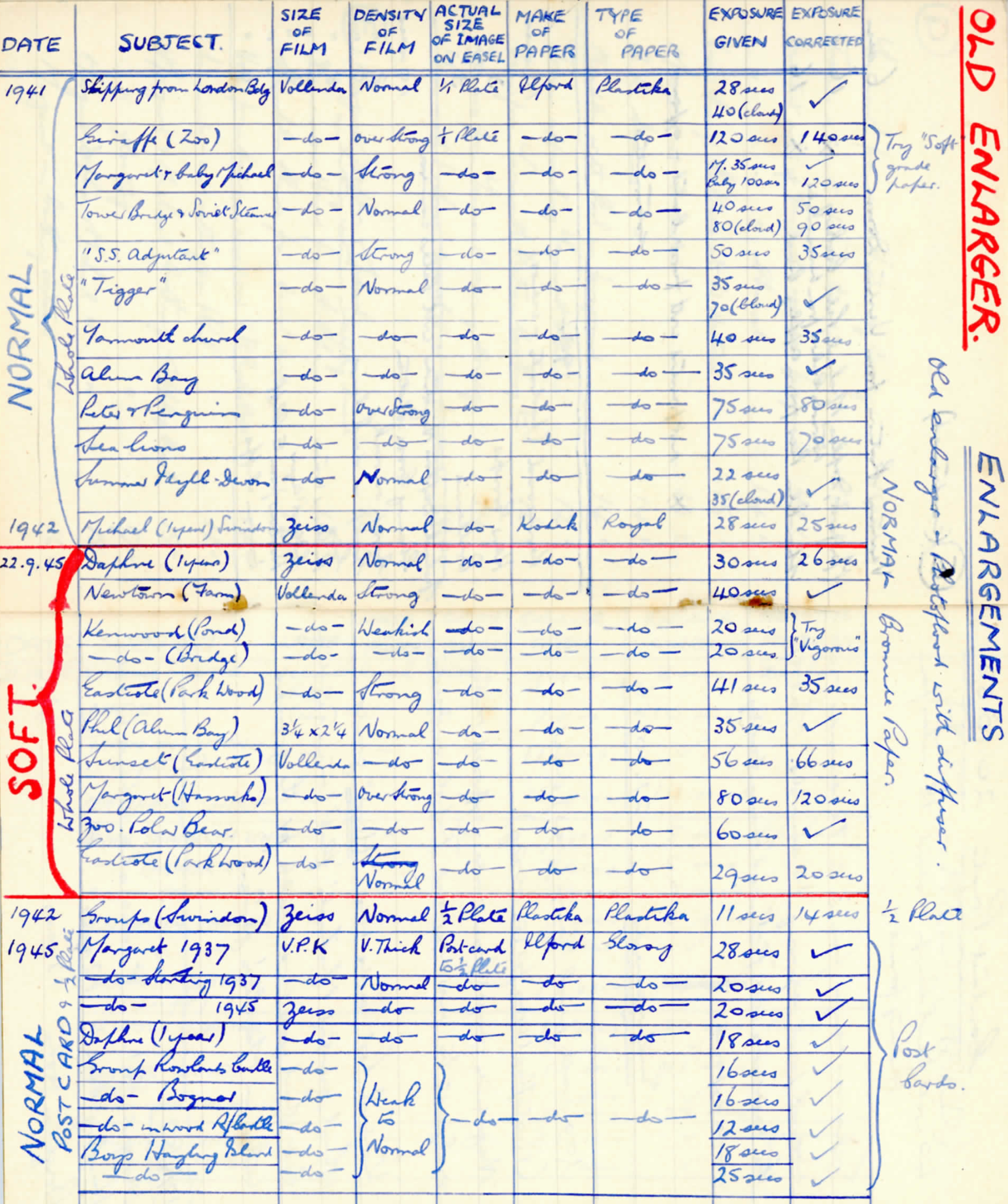
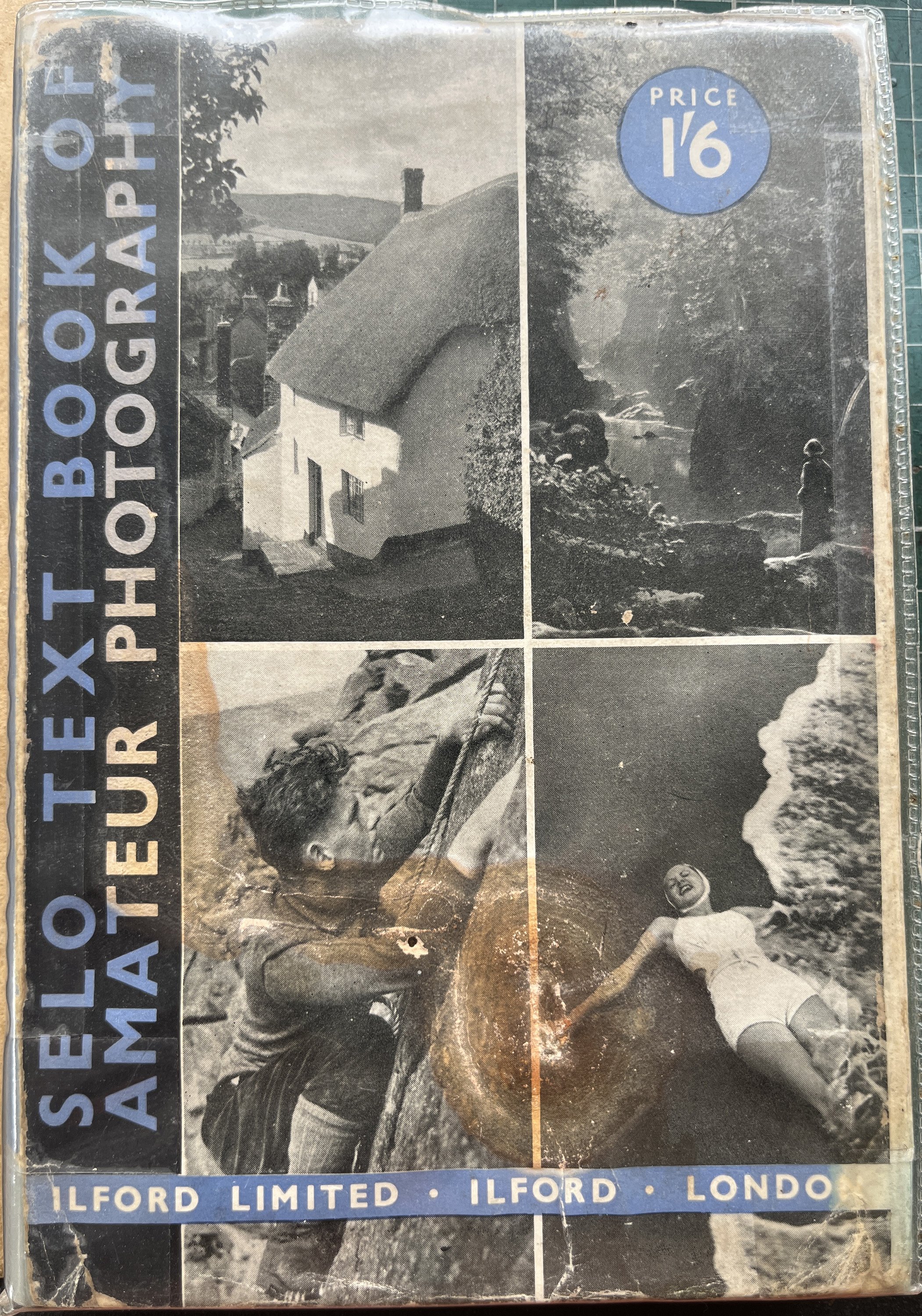
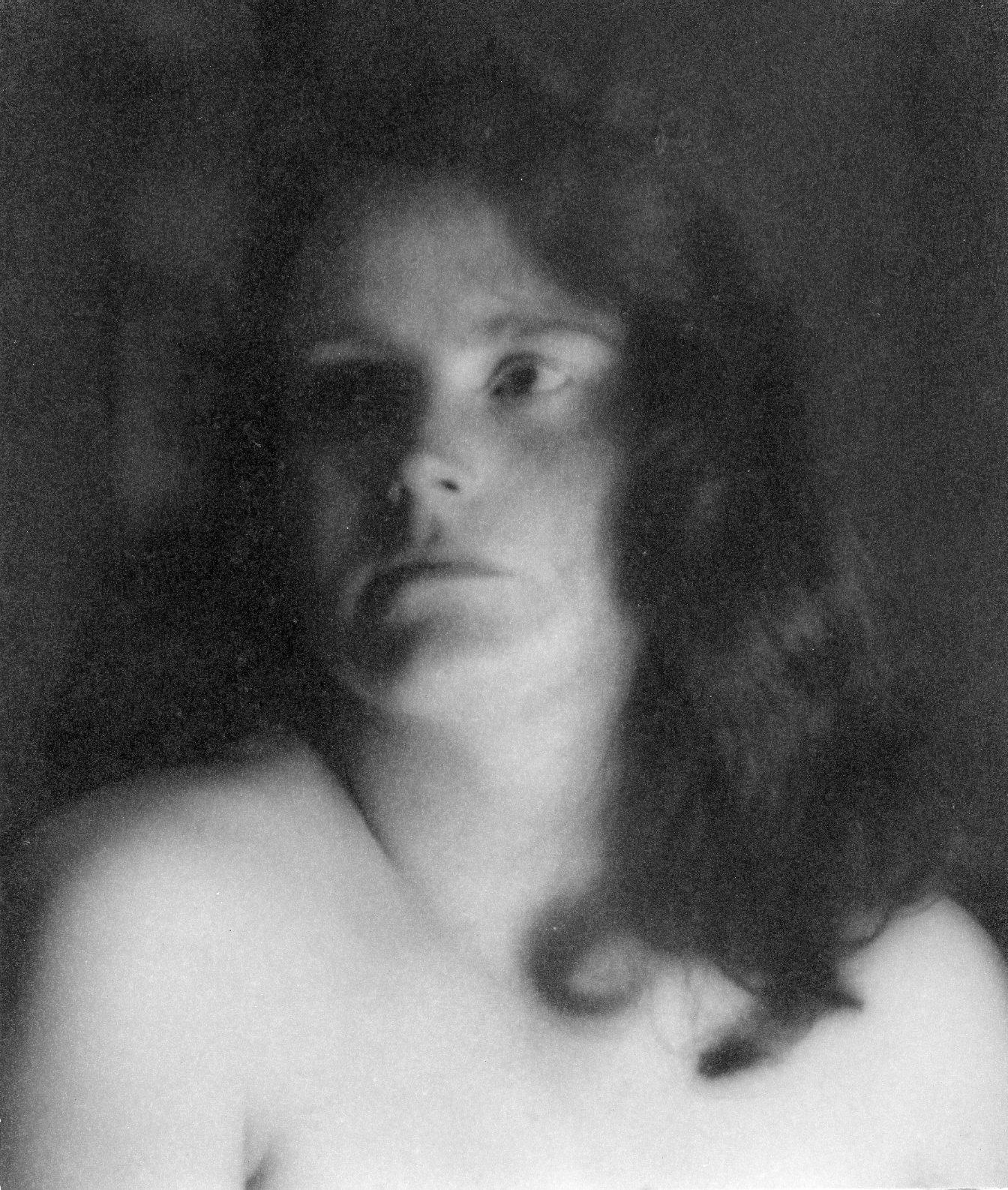
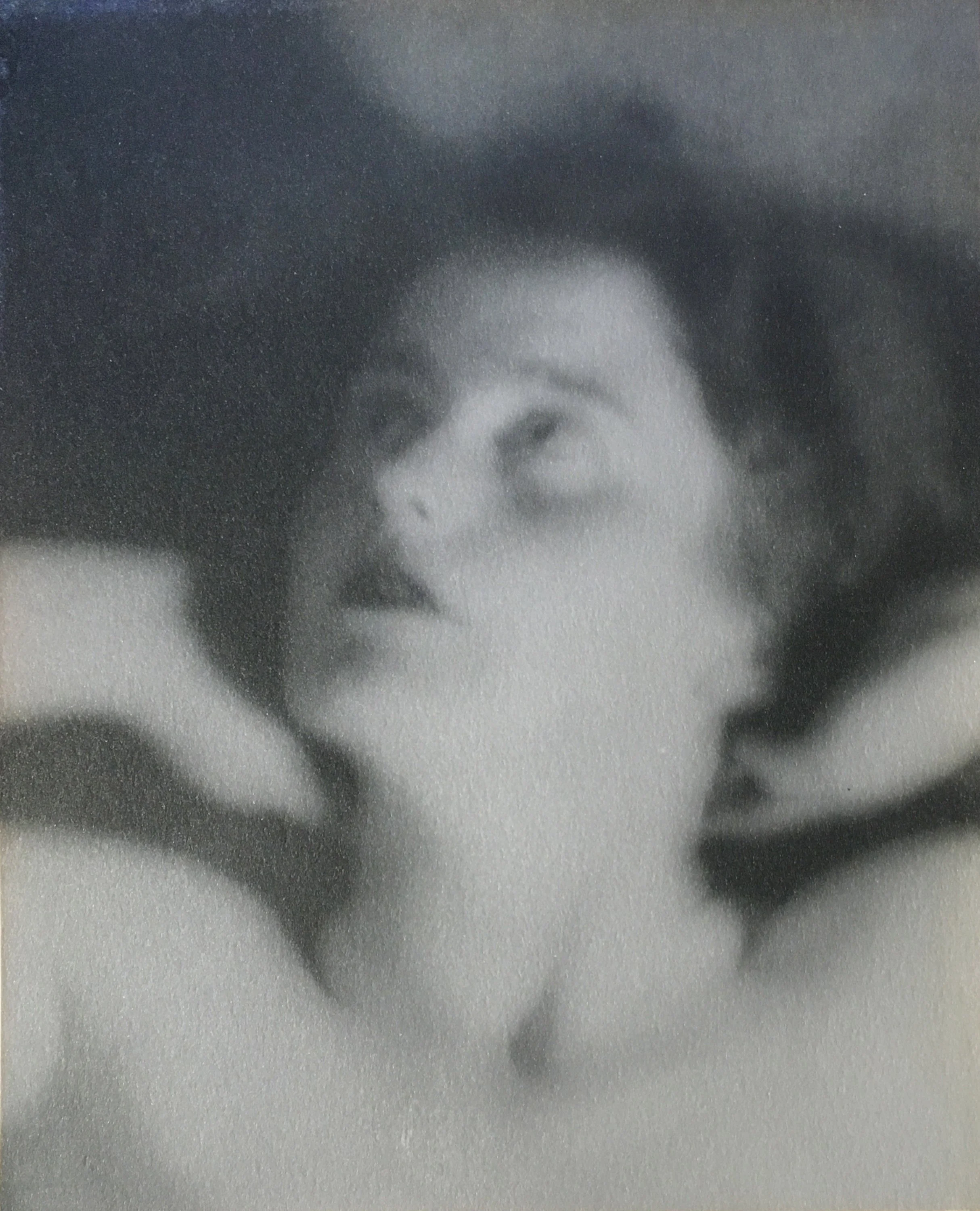
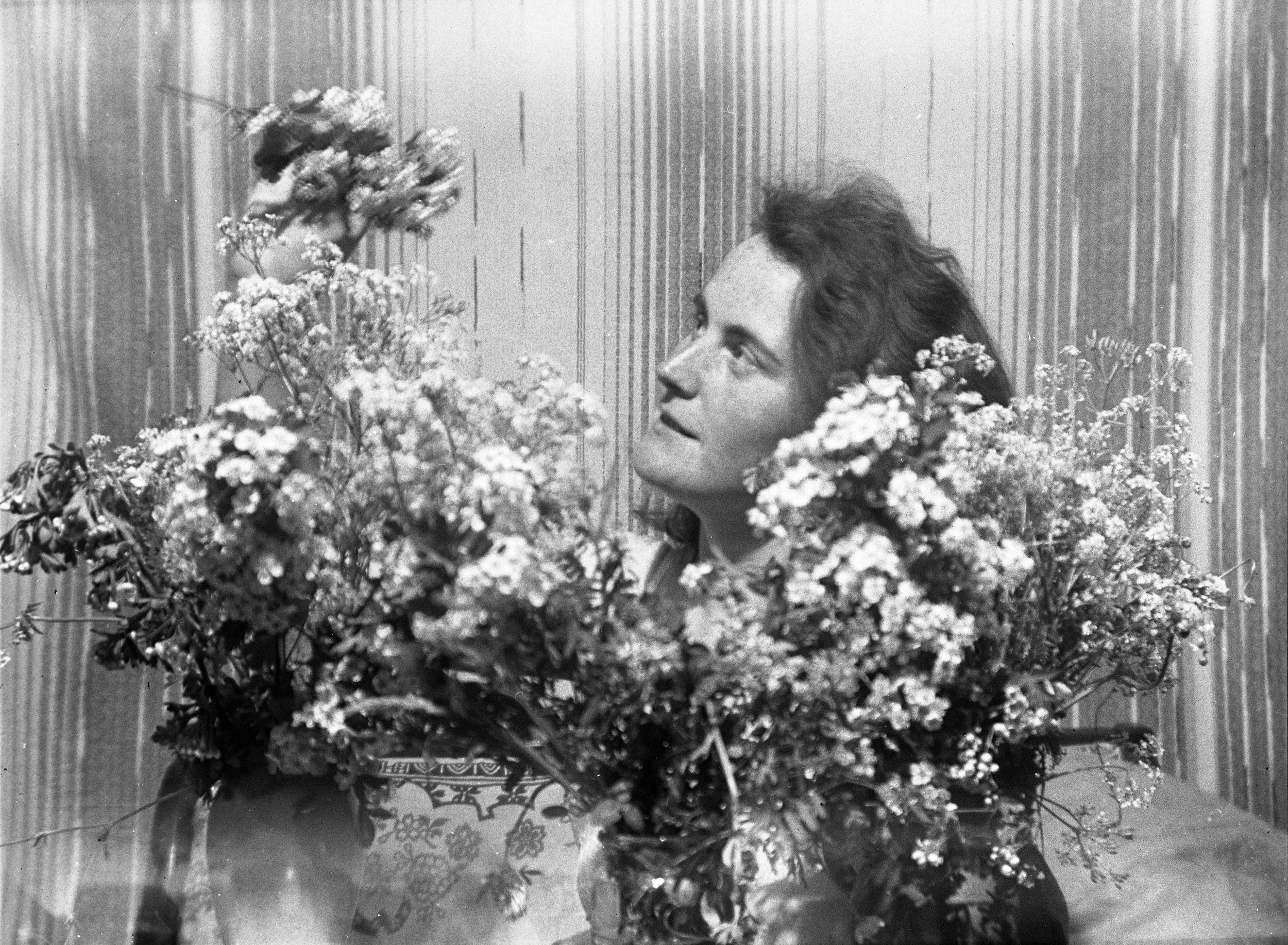
These special boxes remained largely untouched until around 10 years ago, when I commenced the job of scanning each negative. This was quite a task, but it taught me more about everyone and everything he had loved and how he didn’t let the restrictions of his equipment limit his photographic abilities. Looking at his notes, most of the pictures from the 1930’s were taken with a 127 film ‘Vollenda’ camera (which would have either been made by Nagel or Kodak). During the war, circumstances changed and he had to sell the Vollenda and replace it with a 120 film ‘Zeiss Box Tengor’ (taking images 6cm by 4.5cm). I think of all the images he produced, the ones taken using this box camera in the 1940’s are perhaps the most special – especially the portraits he took of my Gran. I have picked up an identical camera in recent years and whilst it has been a lot of fun to experiment with, I have yet to come close to the quality and creativity of his images produced from that period.
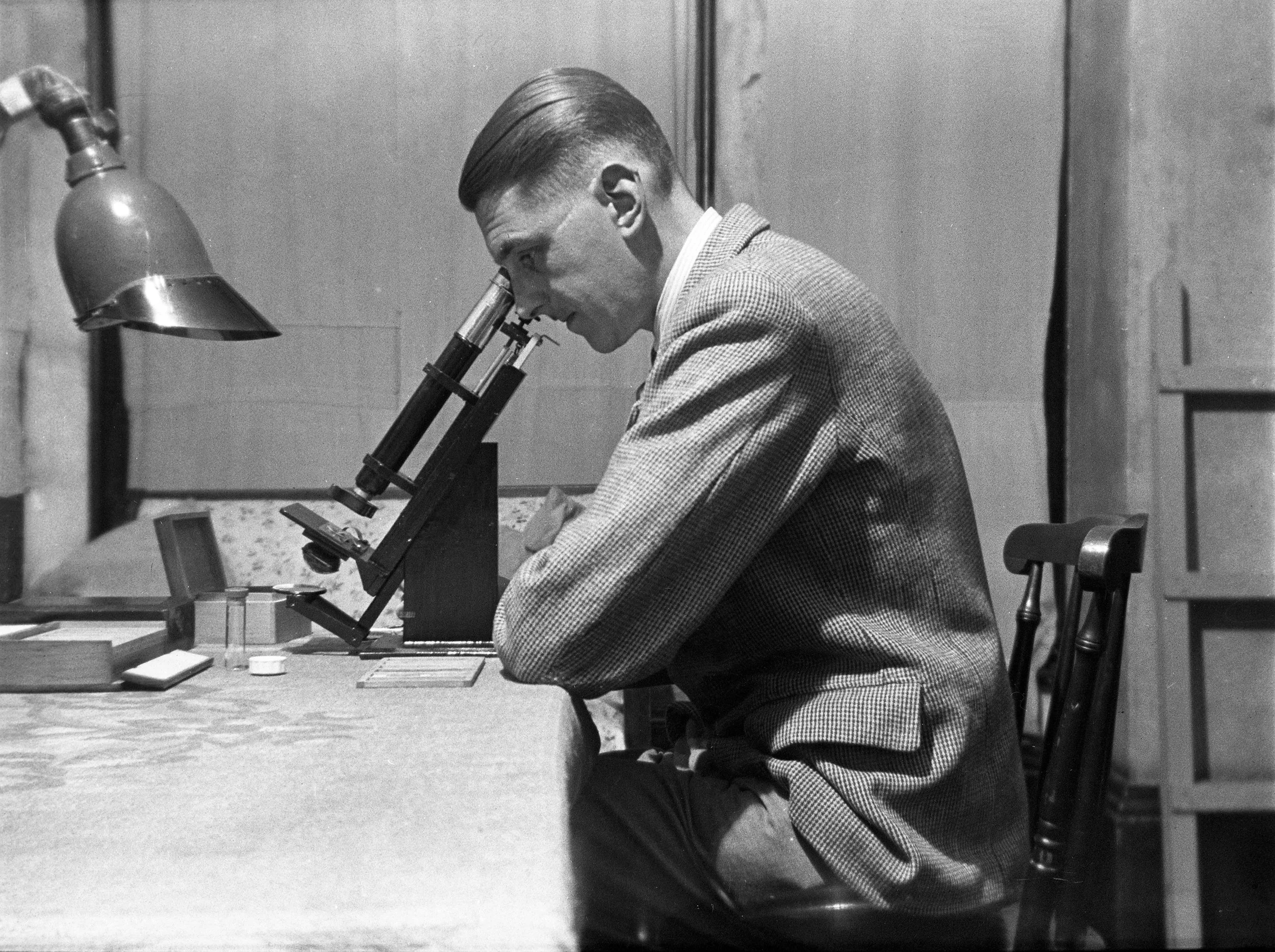
I learnt from my Gran that money had always been very tight for them as a family unit. One of his close friends in the 1930’s had a Leica and evidently, Phil always wanted one too, but unfortunately for him it was never to be. However, he never allowed a lack of money and equipment to limit his own creative abilities. For example, he wanted to be able to print his pictures and make his own enlargements. He couldn’t justify the expense of an enlarger, so he built his own, which I would love to have seen. However, I am lucky enough though to be the custodian of his home-made microscope, the main section of which was constructed from one of my Grans knitting needle tubes!
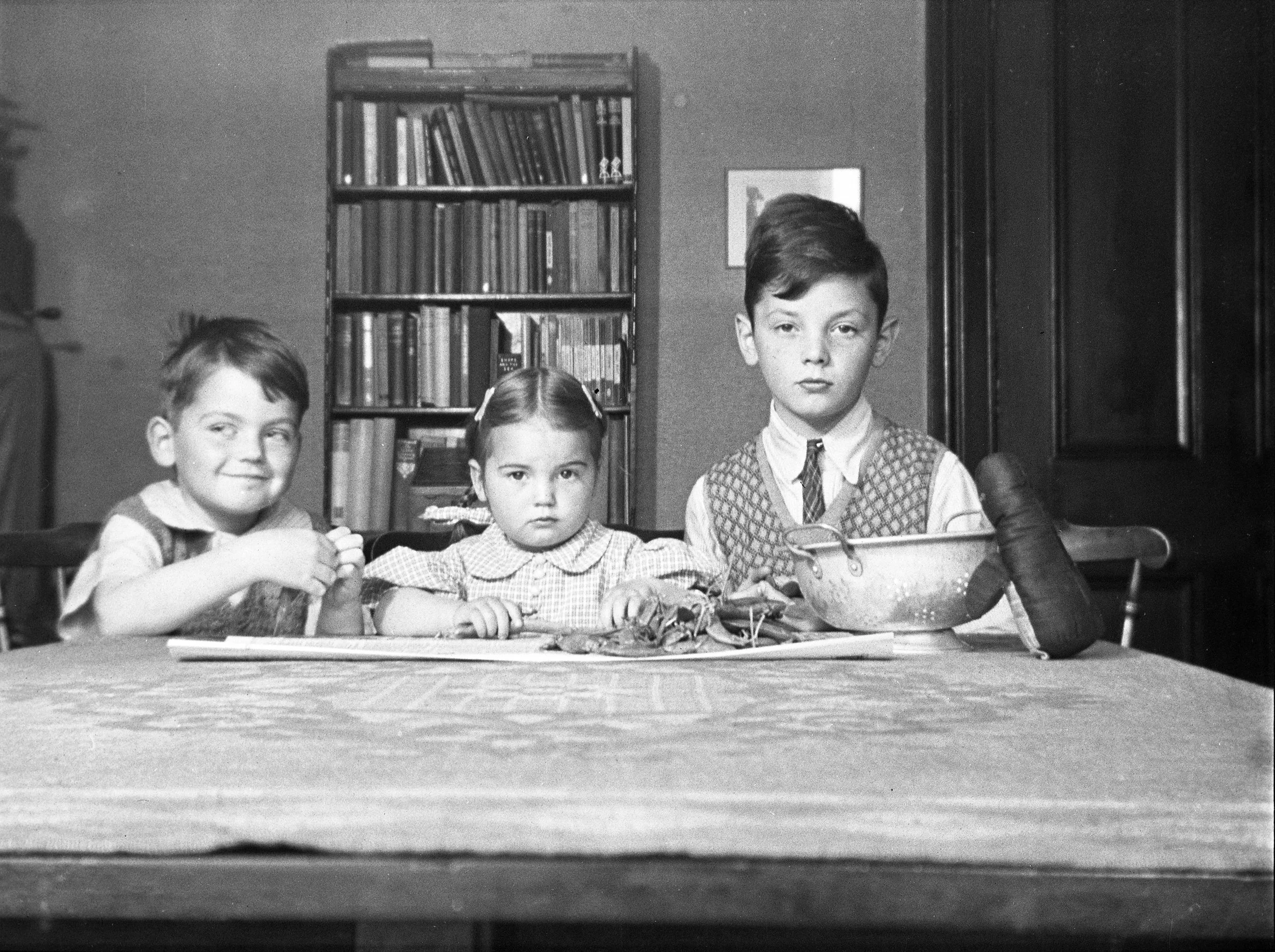
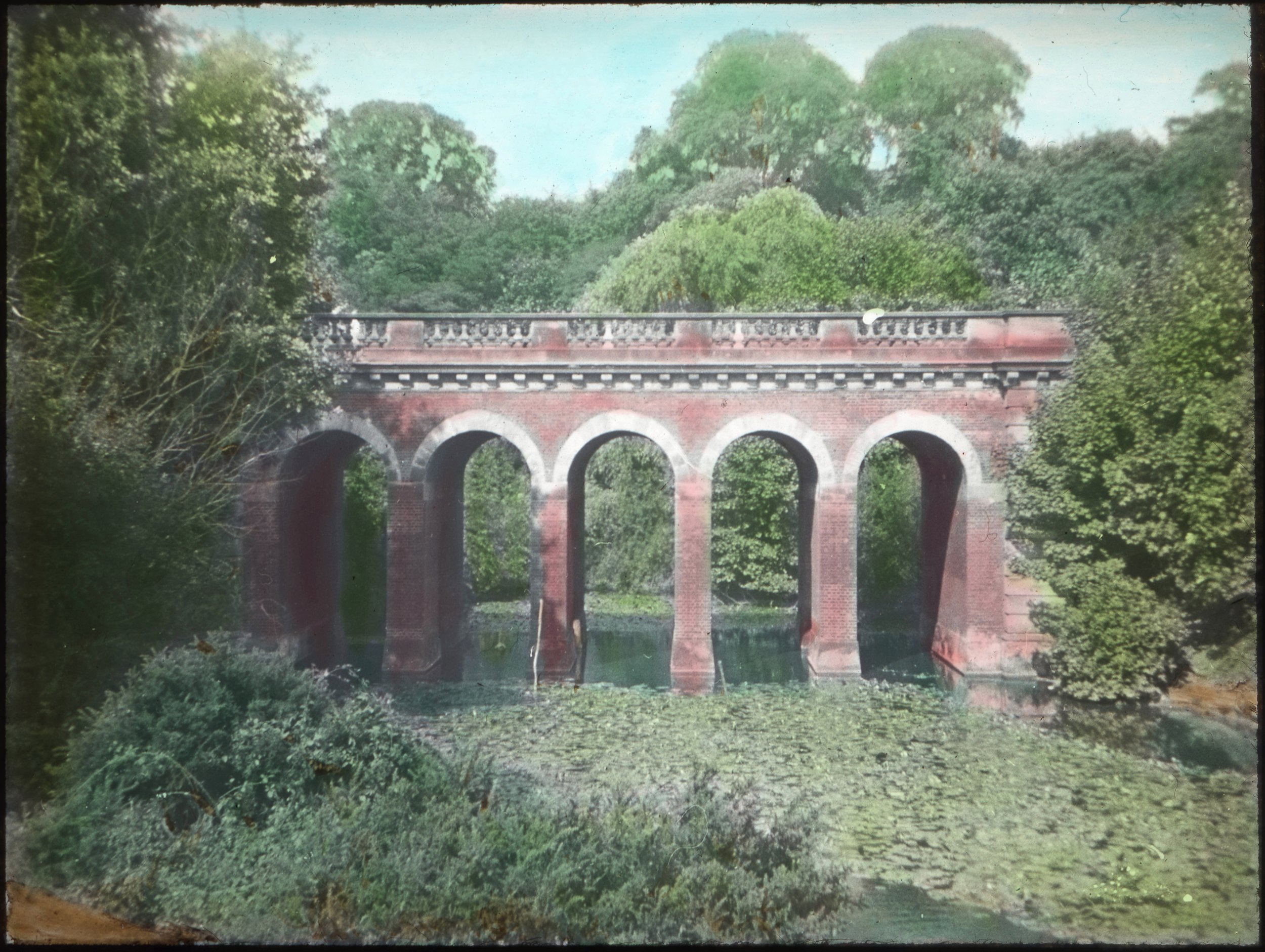
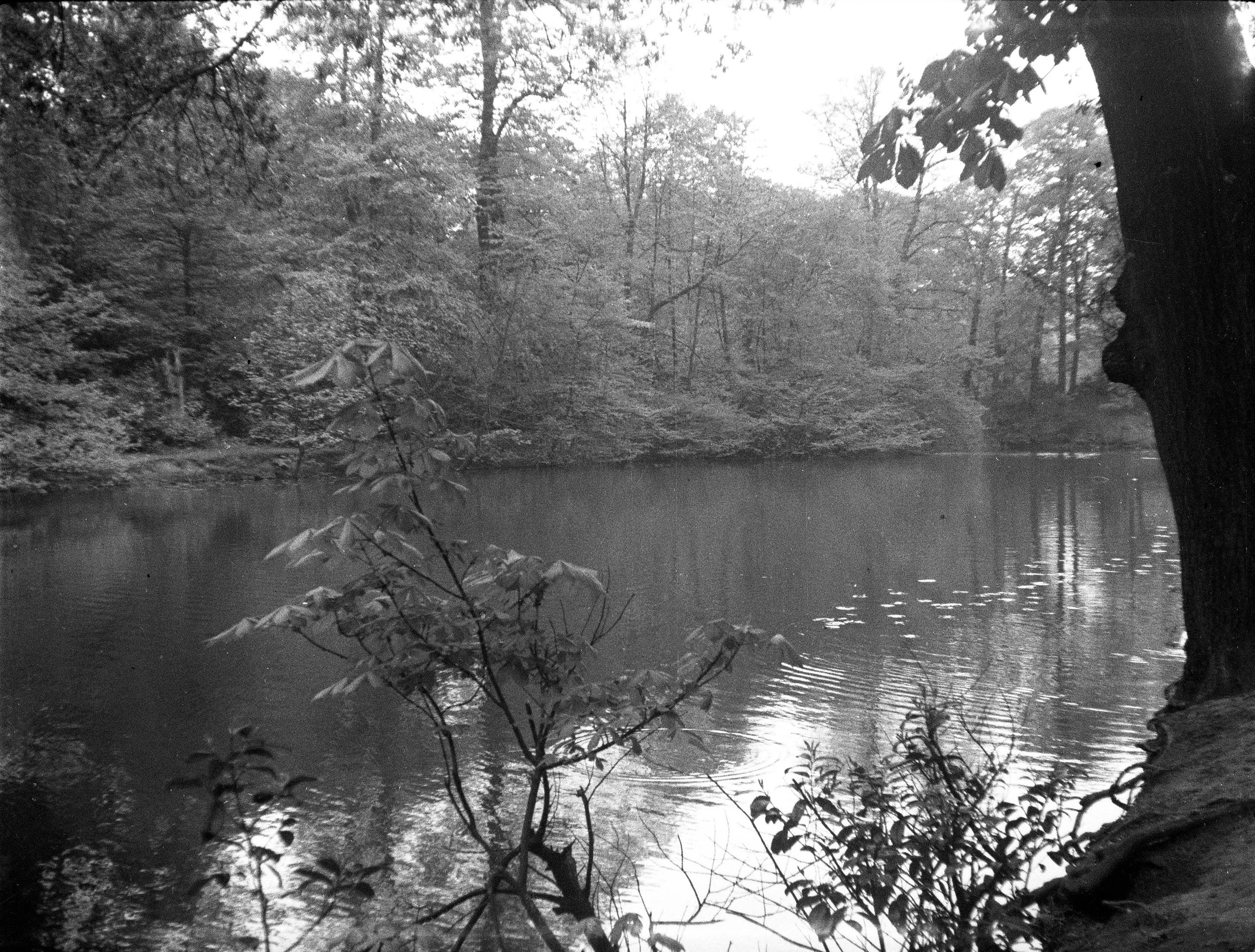
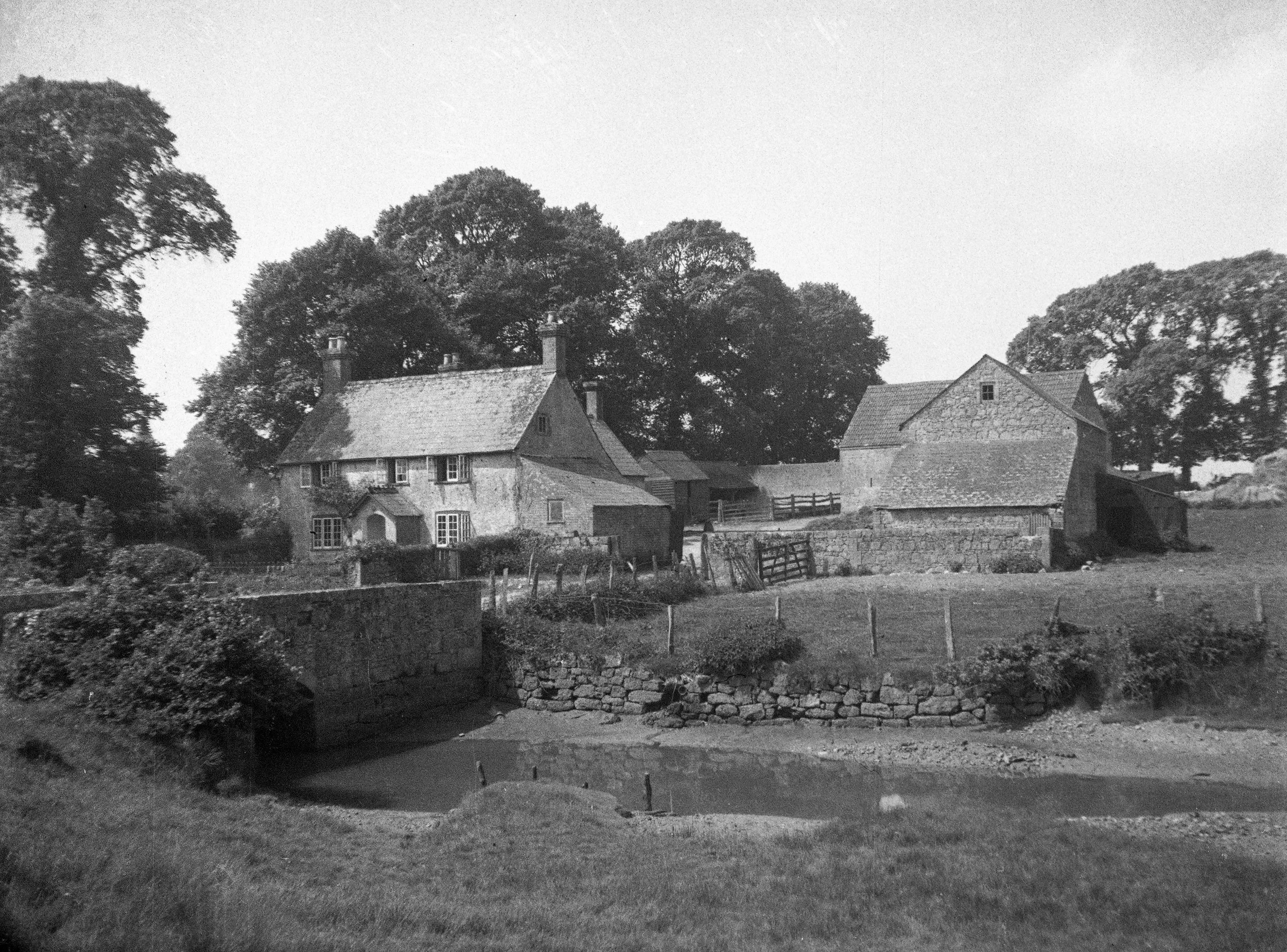
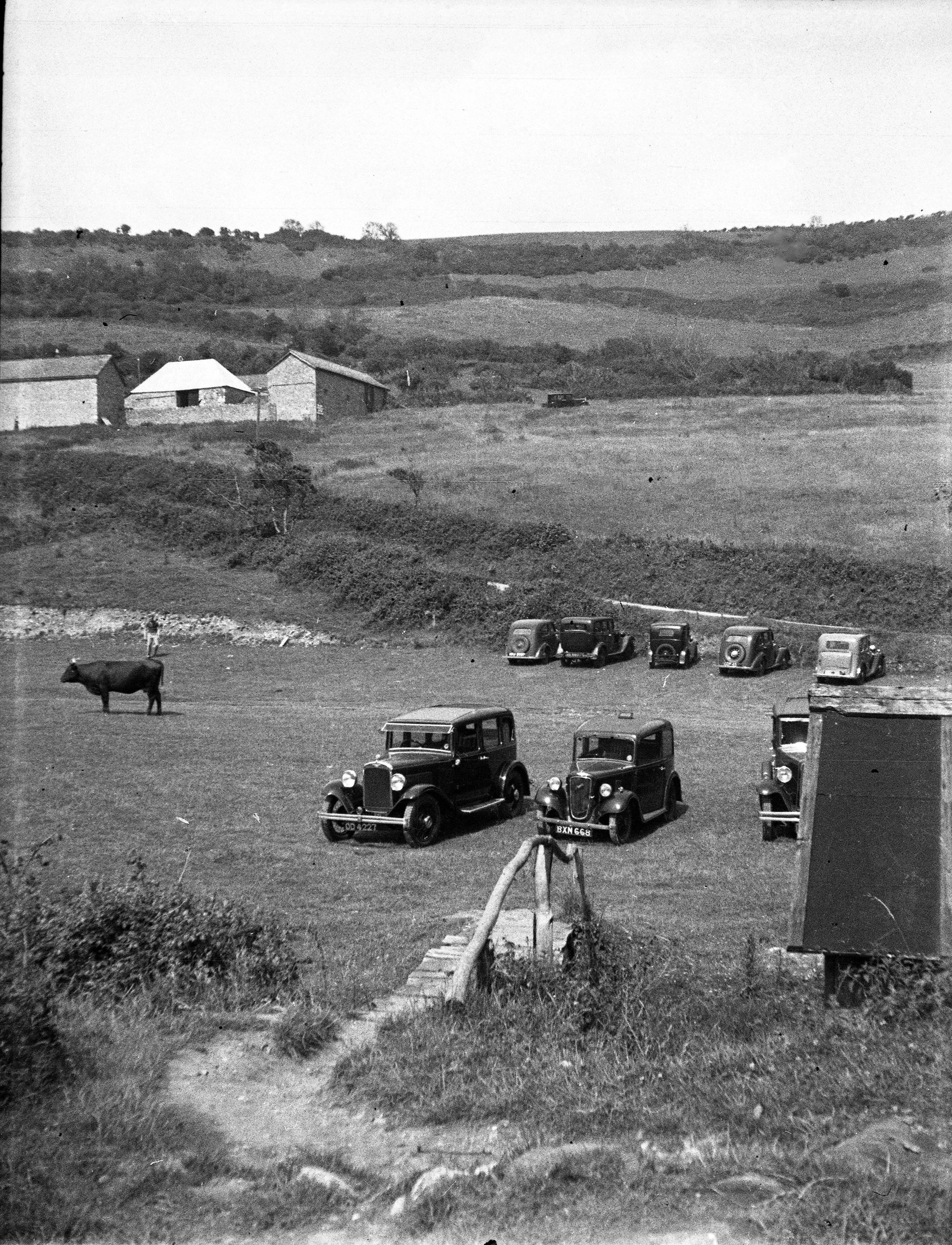
A small selection of his images are included here, a lot are of family which makes perfect sense for the time. What stands out most to me though is the quality of some of these images. I love the box camera portraits of my Gran and I am also particularly fond of the images he took of the Thames the month before World War two commenced.
One of the biggest photography lessons I learnt from my Grandad was his methodical approach to cataloguing his work. I’m pretty thorough when it comes to cataloguing and some might even say that I am extreme. It’s the one thing I’ve stuck with since my early days of taking pictures. The cameras, lens and equipment have been on a constant cycle but the cataloguing system has remained consistent.
My Grandads level of detail and ordered approach was impressive to say the least. Before seeing his work, I had just kept photos and negatives in the packets from the lab, which were all casually tossed into the midst of a standard teenager’s chaotic life. To put it simply, I had no system to keep track of any of work, and this was going to be a big problem If I wanted to take this hobby seriously. I needed a system and I needed it to be future proof for all the years ahead and all those images I was going to be taking.
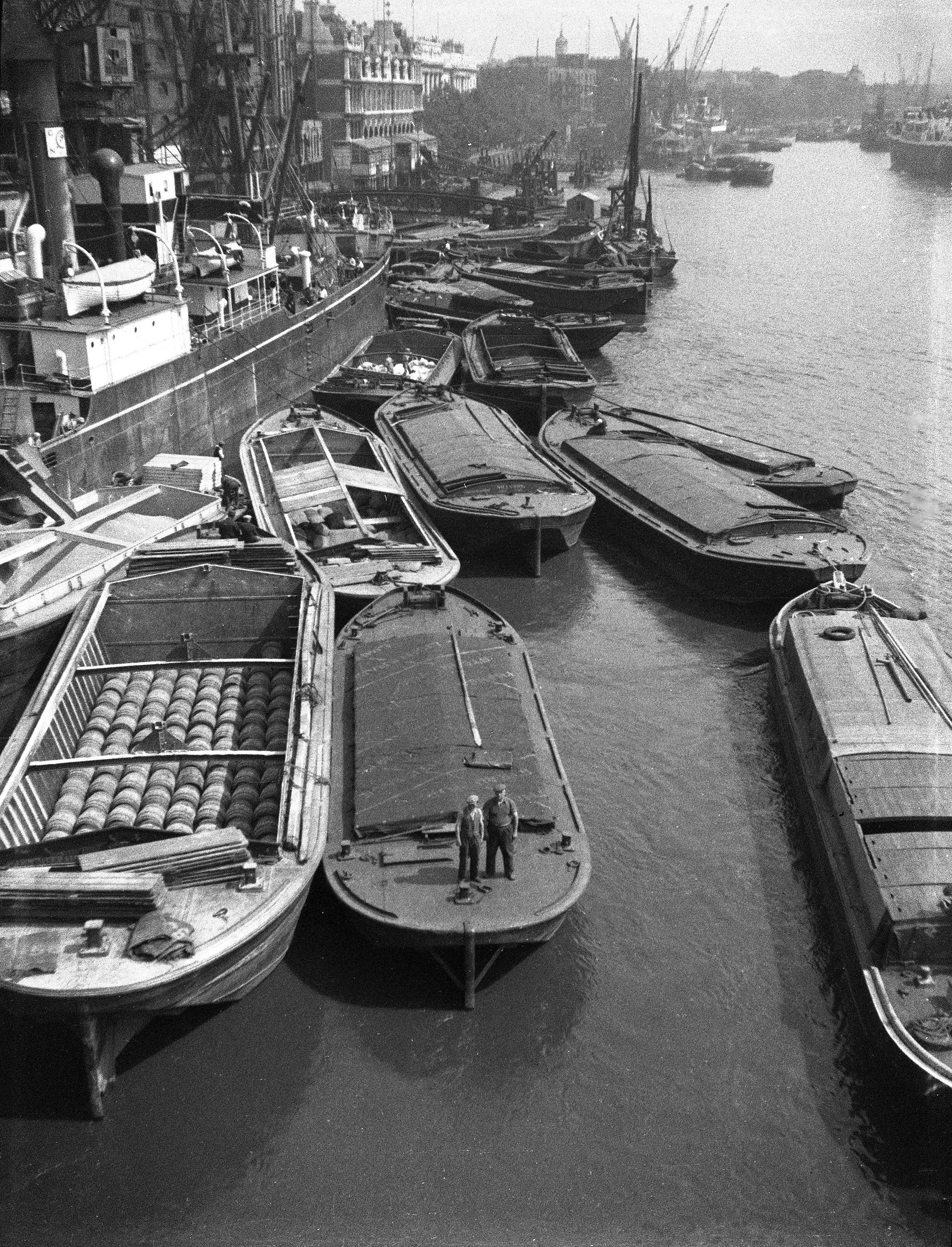
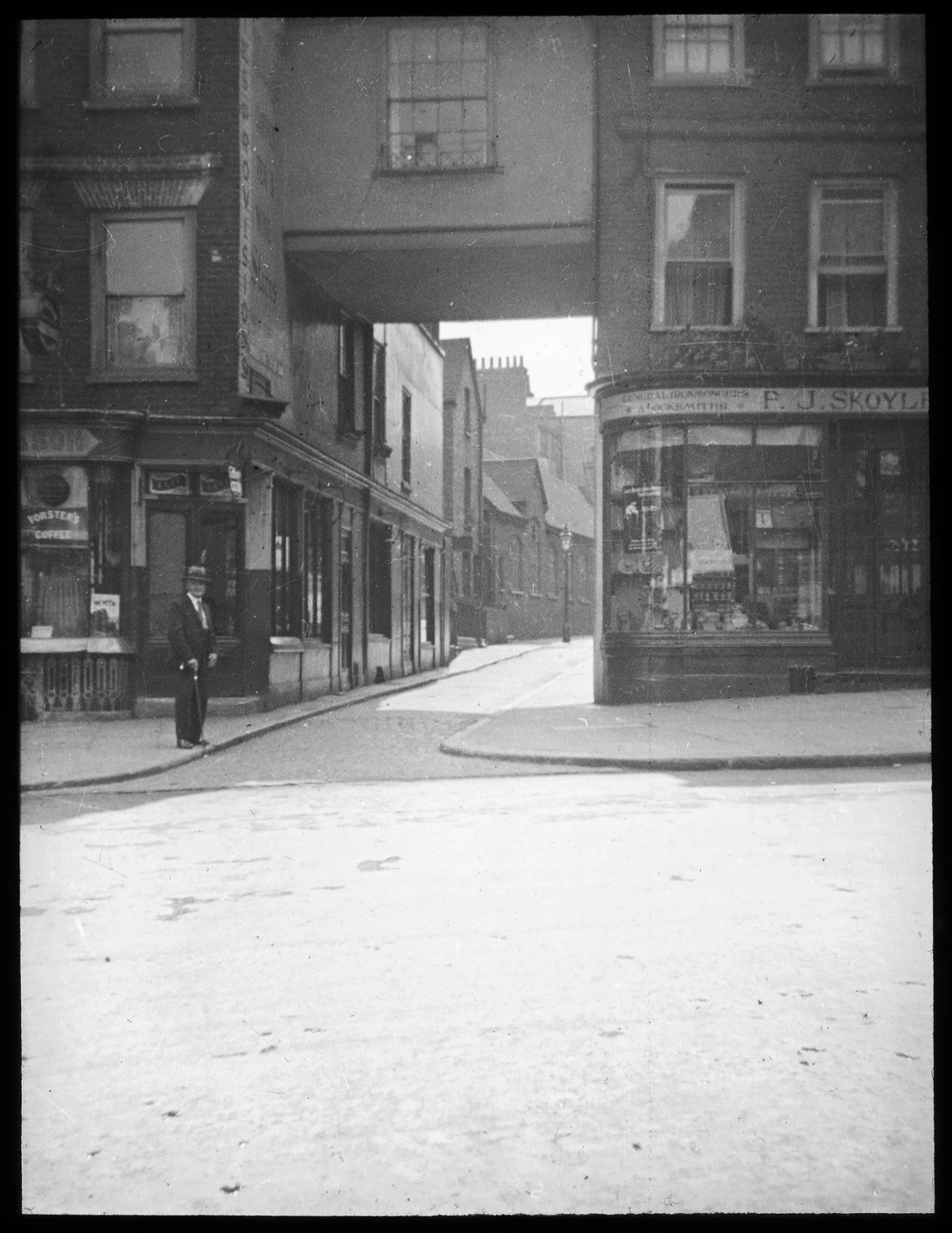
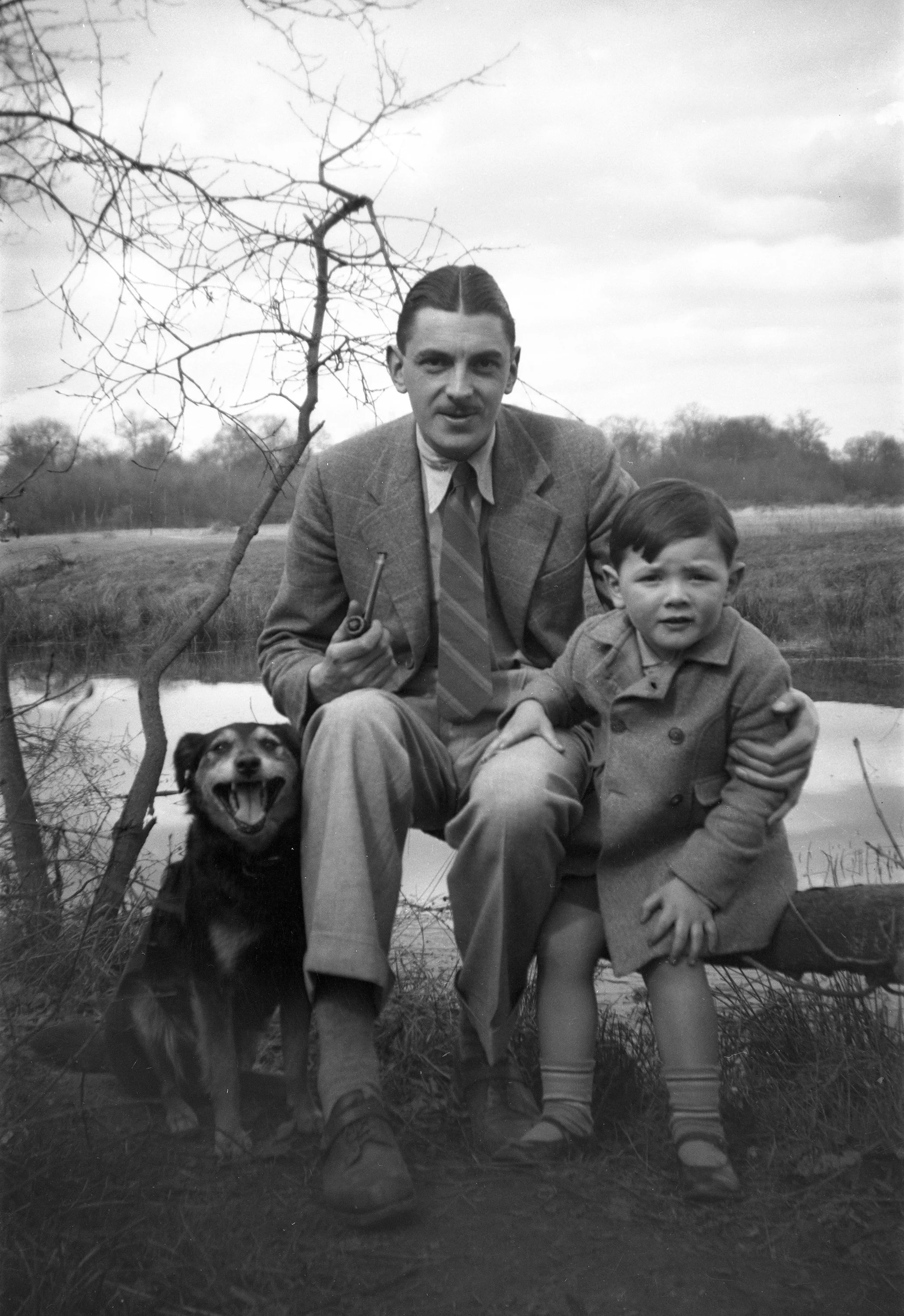
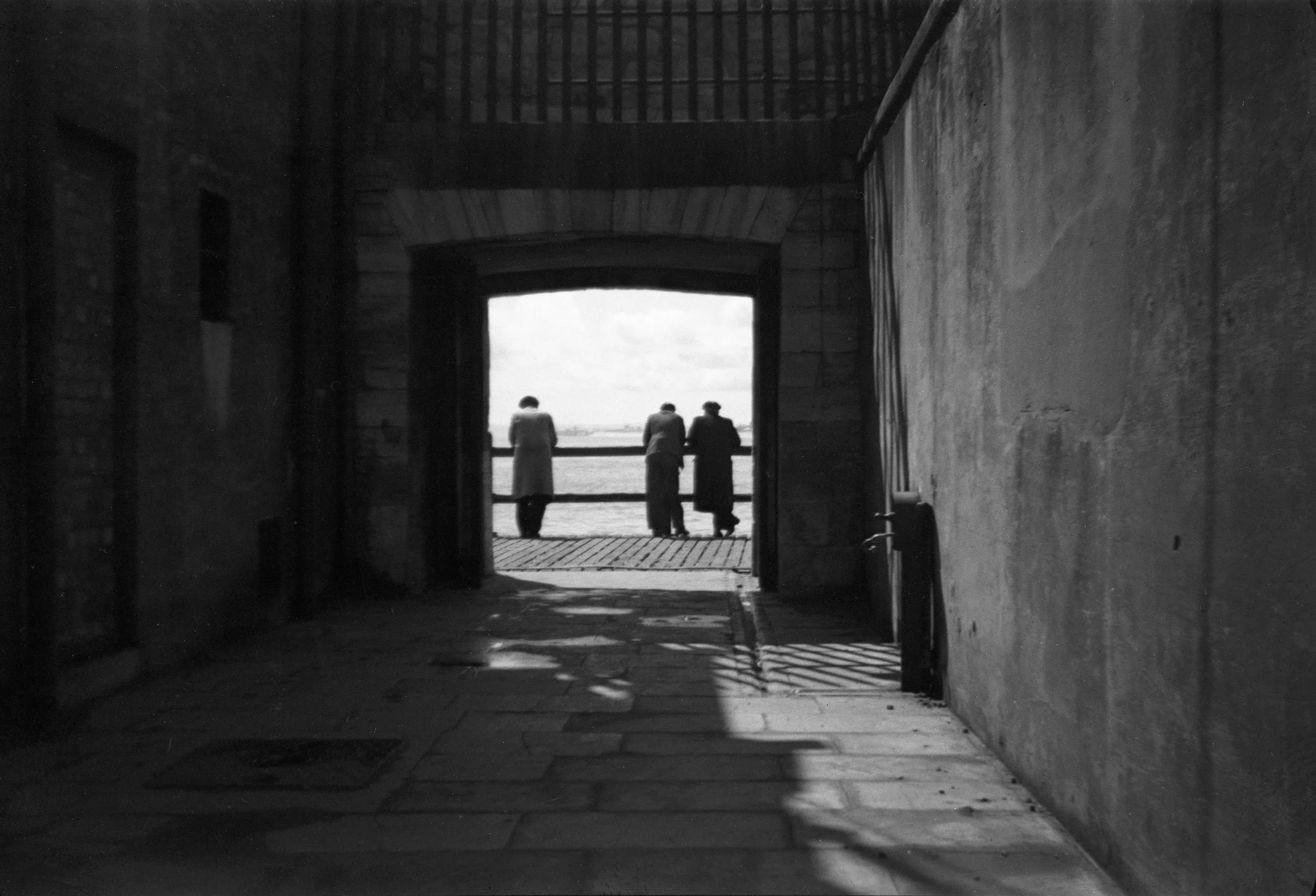
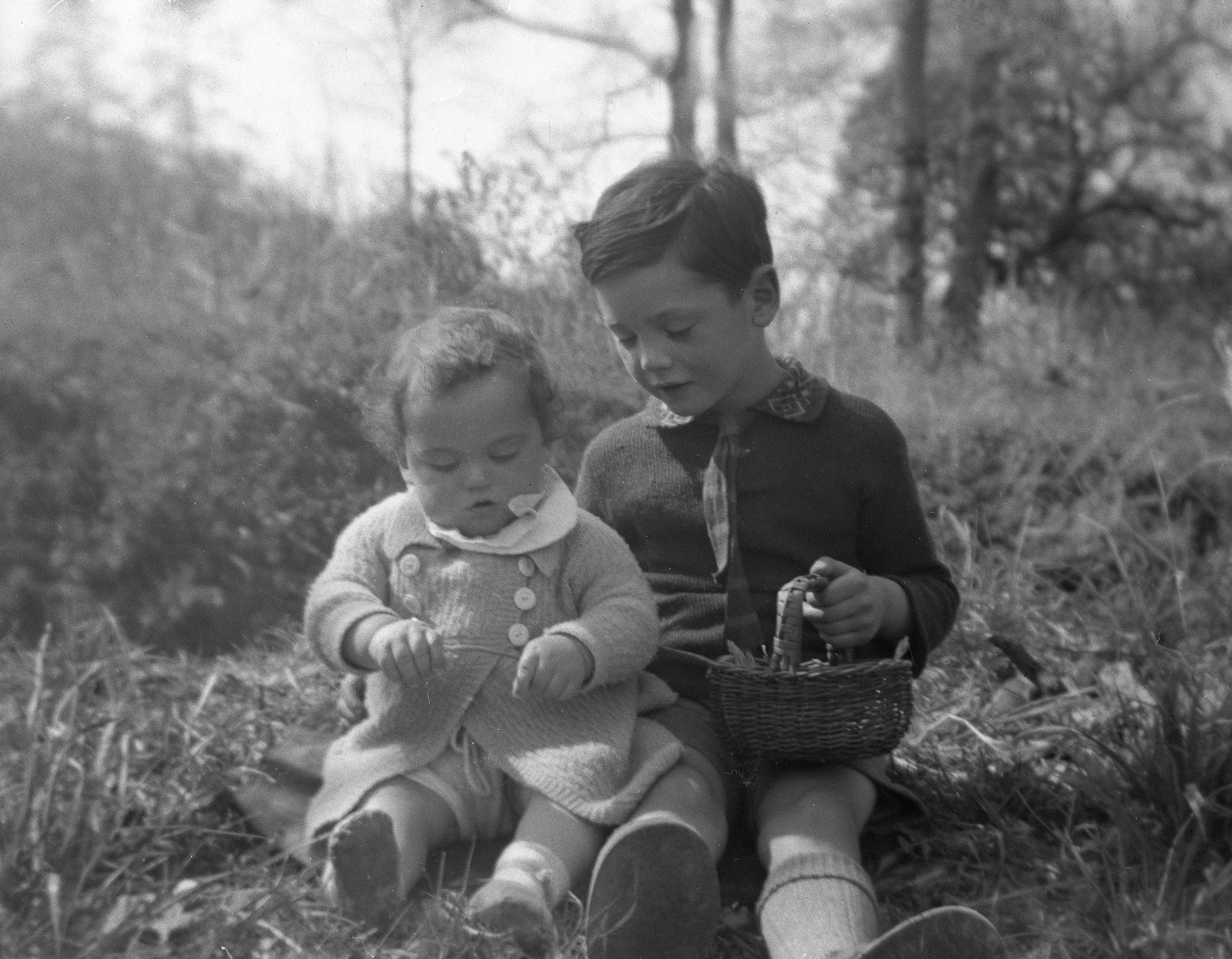
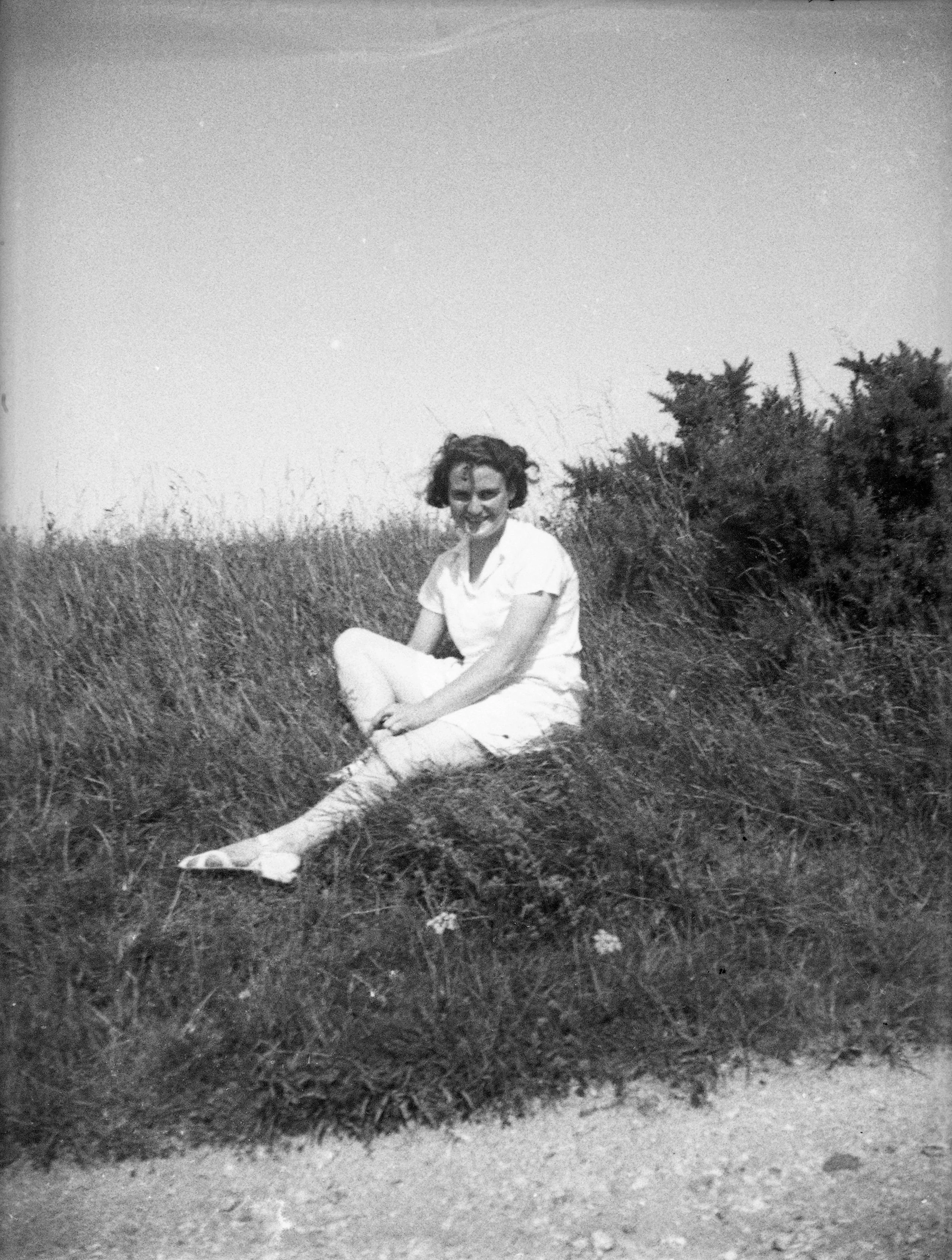
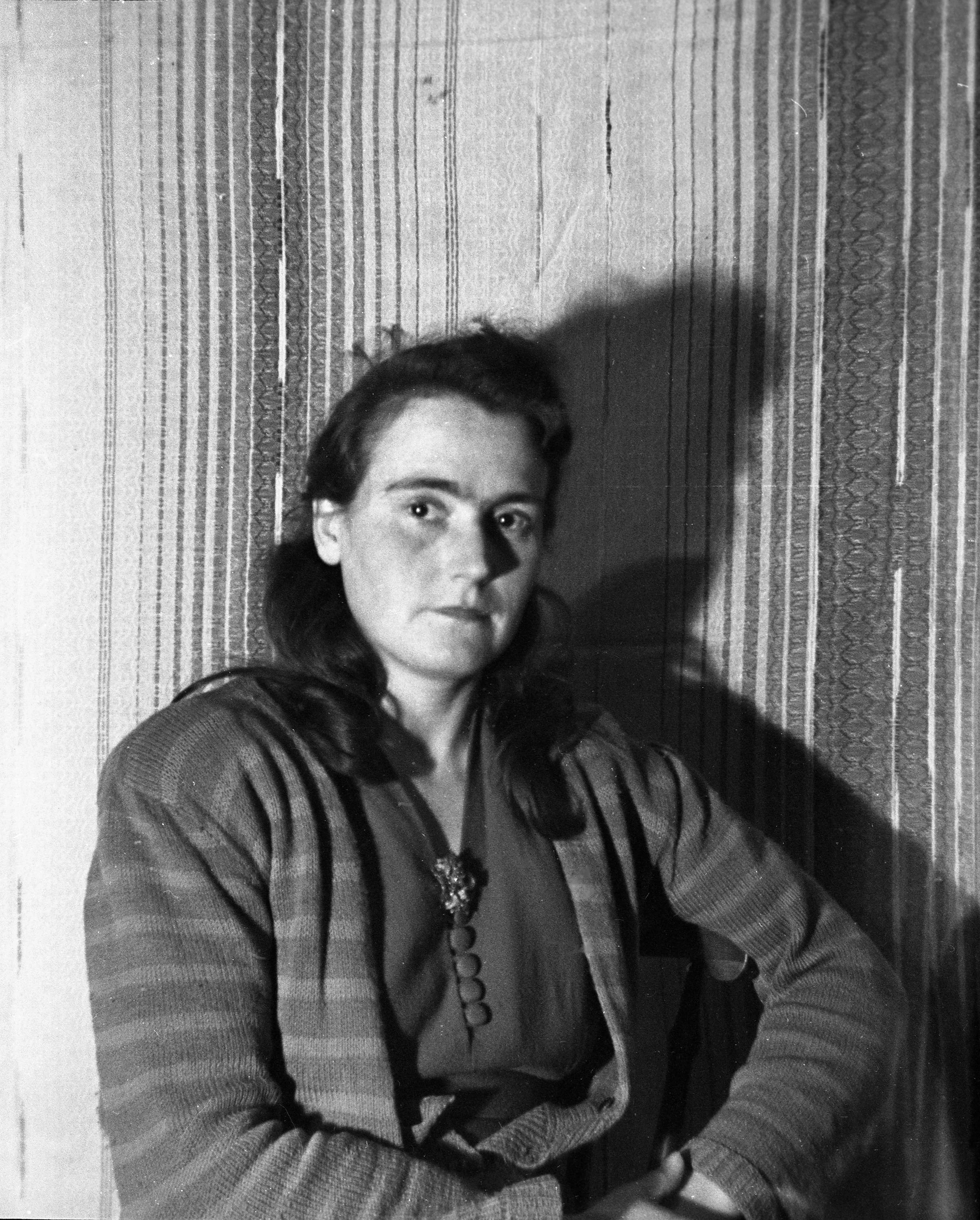
So shortly after inheriting my Grandads legacy, I paid a visit to a large Jessops store and picked up some A4 negative sleeves and a ring folder and set to work. Films were recorded with numbers, dates, locations, exposure details and equipment and I also wrote a list of films with content which I kept at the front of the folder. My work began to make some kind of sense and with all these notes my photography began to slowly improve. When I started to do my own printing, I could find the negatives I needed easily and the system worked.
Fast forward to the digital age and how does this look now? Well, I’ve kept shooting film, so this continues to be a series of folders with catalogued sheets for all my negatives. But over a period of years, all the negatives were scanned, and the handwritten sheets became spreadsheets. The system still works well for me, and I can still find everything I need. I’ve even added folders by month for any digital images mainly taken on the phone.
When I break it all down, I think the one person I can thank for this methodical approach is my Grandad. Despite never meeting him, his work, passions and processes have remained a huge influence on me since the very beginning.